
Blog by Euan Gardner, Senior Information Development Manager, Strategic Development Team, NHS NSS 1. Introduction Guess who’s back, not-so-slim shady’s back, tell a friend and this time I’m talking about synthetic data. This blog is about the concept of synthetic data, if you want a discussion on the methods (and safeguards) that The Data Lab […]
News
Calling all those interested in the potential of AI in healthcare!
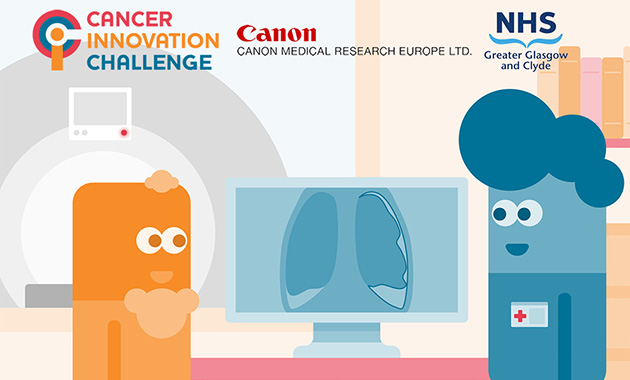
On 24 September 2019, the Cancer Innovation Challenge, an initiative led by The Data Lab in collaboration with the Digital Health & Care Institute (DHI) and Stratified Medicine Scotland Innovation Centre (SMS), will be celebrating the outcomes of an exciting project funded through its funding competition to find innovative data science solutions to improve cancer […]

Launch of our new innovation centre and an exciting new digital skills initiative in Aberdeen
L to R above: Gillian Docherty, CEO, The Data Lab, Sir Ian Wood, Kate Forbes, MSP, Ian Watt, CEO of Code the City and Maggie McGinlay, Deputy Chief Executive of Opportunity North East. Joined by friends, colleagues and even an MSP, The Data Lab held their Aberdeen launch event at the ONE Tech Hub on […]

Prof Mahmood Adil, Medical Director: Information Services Division (Scotland) & Health Protection Scotland, NHS NSS
Prof Mahmood Adil has 25 years of medical, public health and executive management experience in the NHS and USA. His current remit is to oversee the health intelligence and health protection functions of Scotland. He provides professional leadership in utilising the most comprehensive national health data, digital and informatics capability to improve broad ranging clinical outcomes […]

Developing an AI Strategy for Scotland
The Scottish Government has tasked The Data Lab to be an impartial convenor of the process to develop an Artificial Intelligence Strategy for Scotland. The Data Lab’s position as a hub connecting industry, public sector, third sector and academia across Scotland and internationally places the organisation in an ideal position to undertake the task of […]
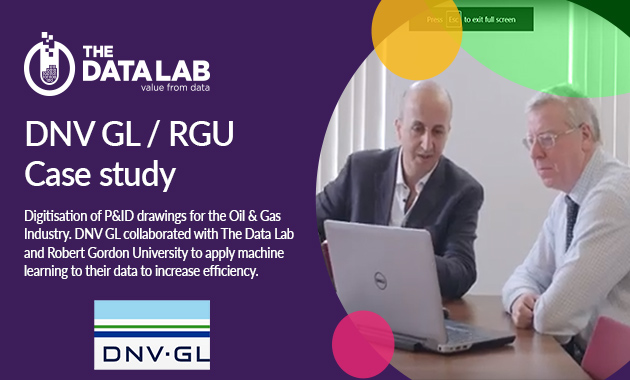
Read our latest case study: DNV GL
DNV GL – Digitisation of P&ID drawings The Oil & Gas industry has a vast amount of data that isn’t being used to its full potential. DNV GL wanted to advance their techniques to process and analyse large volumes of scanned engineering drawings in a quicker time frame and come up with a more efficient […]

Using Generalised Additive Mixed Models (GAMMs) to Predict Visitors to Edinburgh and Craigmillar Castles
I’d been curious about generalised additive (mixed) models for some time, and the opportunity to learn more about them finally presented itself when a new project came my way, as part of my work at The Data Lab. The aim of this project was to understand the pattern of visitors recorded at two historic sites […]

Creative Use of Data Science Could Unlock Cultural Benefits
Four of Edinburgh’s leading cultural organisations are taking part in a £7.6 million initiative that could transform the city’s creative industries through innovative use of data. The Edinburgh Festival Fringe Society, The List, Edinburgh City of Literature Trust, and New Media Scotland have set briefs to drive innovation in the cultural sector – called Challenge […]

CogX, The Data Lab, and Innovation in Scotland
Guest blog by Euan Gardner, Senior Information Development Manager, NHS NSS It’s 9am in London, I’m half-dressed in a suit, smell like an accident in an aftershave factory while nursing a coffee and getting ready to speak on a panel. The conference is Cognition X’s excellent CogX conference where most people have more letters in […]

CogX 2019 – Highlights and talking points from the UK’s largest AI conference
20,000 attendees. 687 speakers. 12 stages. 1608 ice creams consumed at the Global Goals ice cream van. These statistics tell a small part of the CogX 2019 story. Now in its third year, CogX has gone from strength to strength, year on year. The core purpose of the event is to bring people together from the AI and data […]